
Beyond Foundations
Including Overshot Summer, Rep Weave Fall, Doubleweave Winter, Project Planning and how to use Pixeloom
Informational Zoom Meetings
Come and meet Dena and learn more about the course.
Pre-registration is required.
After registering, the button above will bring you to the course.
One of the (many) things that we discuss in Foundations of Weaving is just how many rabbit holes there are to explore. In Beyond Foundations, we will dig into several of these rabbit holes (Overshot, Rep Weave, and Doubleweave) as well as some of the tools that are helpful along the journey (weaving software, design). We will explore why these structures do what they do and how to work with them to do what you want to do.
Have you ever wondered….
Why can you use the same warp for both Rep Weave and Doubleweave and how to make it all work.
Why Doubleweave can be a tube, double-width cloth, and/or a design element.
What is a “twill derivative” and what does that have to do with Overshot.
How to take some of the more complex overshot drafts, break them down to their components and use them to create weavings.
When is weaving software useful, when it is not, and how to use Pixeloom.
Using videos, written and diagramed materials, woven projects, and Zoom meetings, we will answer these questions, demystify these structures, and become more fluid with designing, color, structure, and weaving software.
Weaving is like a tree…the trunk is the foundation and then it splits into many branches. As time goes on, the trunk thickens, the number of branches expand, the structure becomes more complex. Beyond Foundations is for weavers who are comfortable with the basics and ready to explore the branches.
After registering, the button below will bring you to the course.
The Details
This class is suitable for weavers working on four or eight shaft looms. Rather than focusing on one or the other, we will explore what a structure can do on four shafts and then what you can do when you add more.
Class runs July through March and includes formal classes, office hours, and online content.
Classes begin the week of July 6.
This course is made up of several shorter courses (plus some extras) including:
Overshot Summer (July 6-Sept 21)
Rep Weave Fall (Sept 22-Dec 21)
Doubleweave Winter (Jan 3- March 21)
**Dates are subject to small changes
Topics
Topics include: Overshot, Rep Weave, Doubleweave, Pixeloom (software), Project Planning.
You will have the option of working from Dena’s patterns (included with class materials), or using what we are learning to design your own projects.
Cost
Course: $400, Materials: TBD
Classes
Classes will happen every four weeks. Times will be based on a survey (see below). Class recordings will be available for “lifetime access”.
Office Hours
Office hours are twice monthly, are optional, and are not recorded. Times will be based on survey. Topics are initiated by those in attendance and can cover course content or anything else weaving related. They often go in lovely and unanticipated directions and can be a bit magical.
Survey
Dates and times will be determined based on student availability. We are committed to creating a schedule that works for each student. A survey will be emailed after registration closes and class times will be announced soon after.
Online Content
Online content is still in development. It includes four project units (preview below) plus one or two more units covering structure, design, and theory.
Overshot
Project #5: Rep Weave
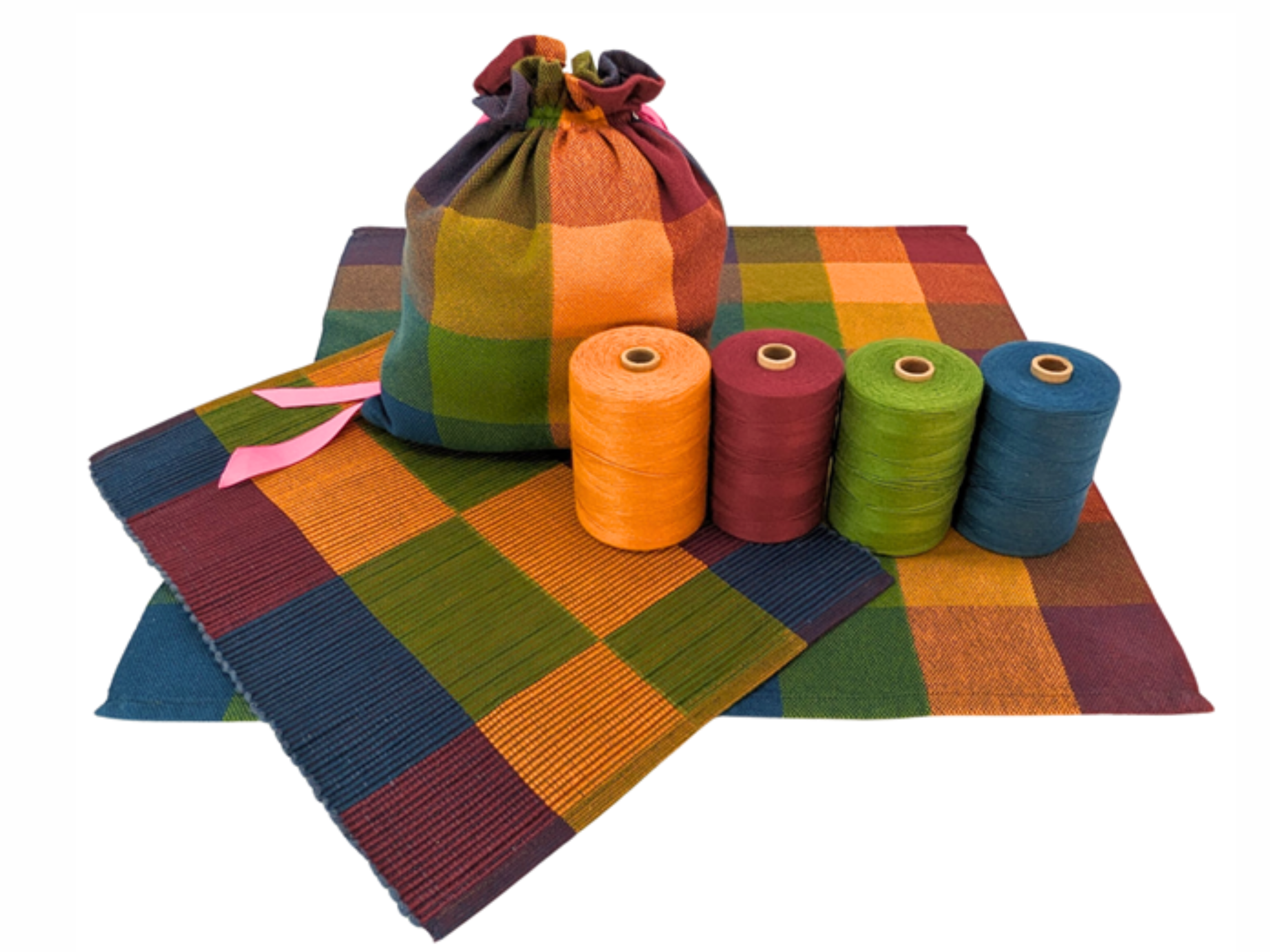
Project #13: Bag of Dreams
Project #16: Summer Sungolds
1 or 2 non-project units TBD
You will have “lifetime access” to course materials and class videos. You can preview the content, just keep scrolling down.
Prerequisites
Dena’s Foundations of Weaving course or have the following skills:
Ability to warp your shaft loom
Basic understanding of twill and plain weave
Comfort reading a draft
If you have questions about whether or not this class is a good fit for your experience, please e-mail Dena: dena@vermontweavingsupplies.com
This class is not suitable for rigid-heddle looms (a rigid-heddle course is still in the development phase).
Equipment Needed
This class will integrate four and eight-shaft weaving. All projects include both options and we will be exploring the differences in what the extra shafts will do for you and why.
Shaft Loom with at least four shafts (table or floor loom)
Warping board or pegs
shuttle and bobbins (preferably boat shuttle, but a stick shuttle will also work)
bobbin winder (if using a boat shuttle)
threading hook, lease sticks
The Projects
-
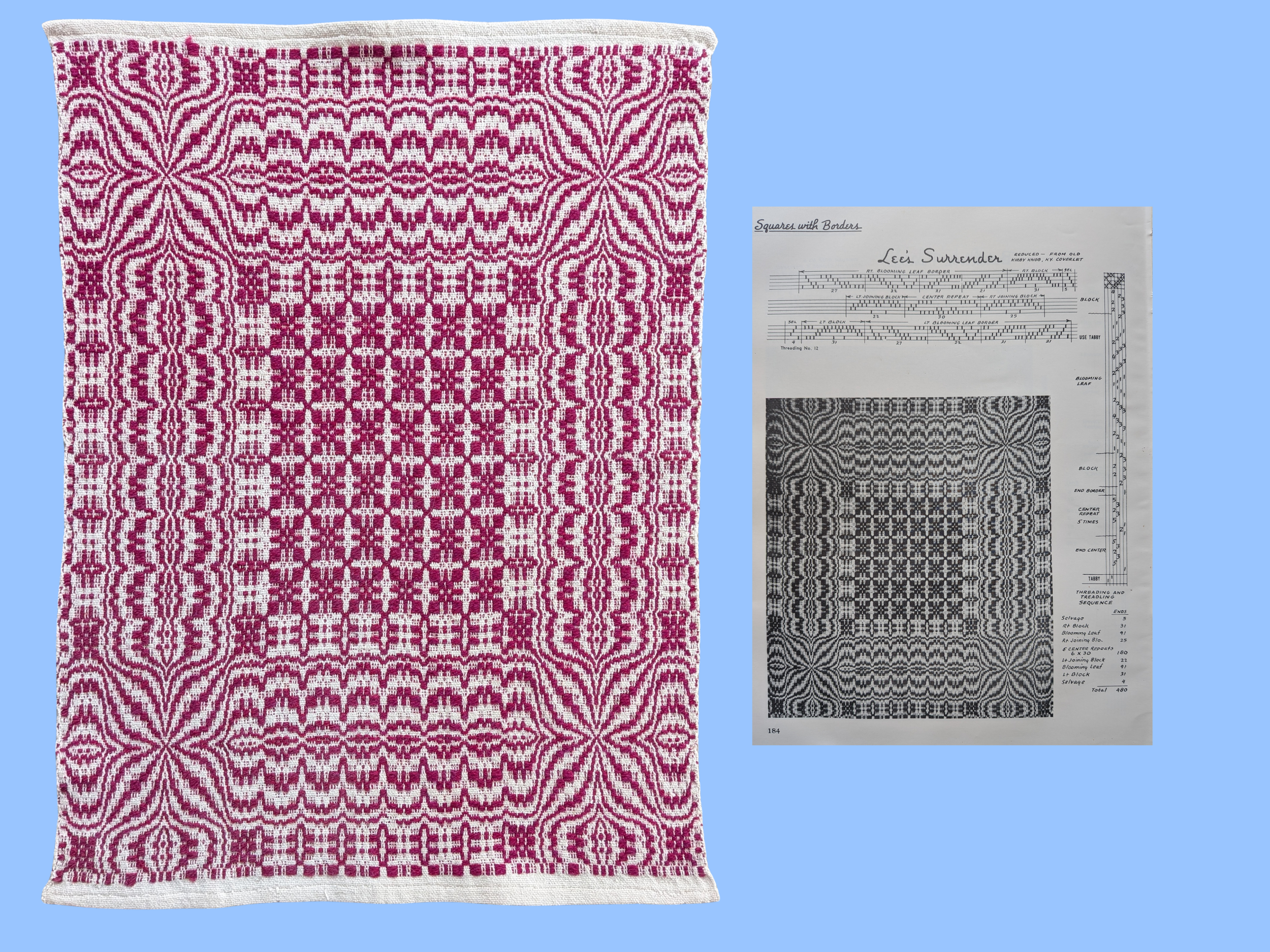
Overshot
-
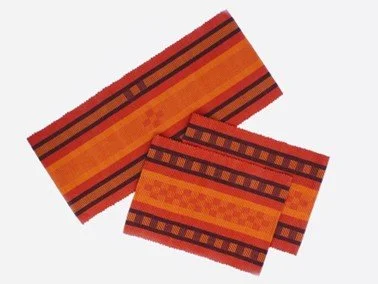
Rep Weave
-
Tube Weave
-
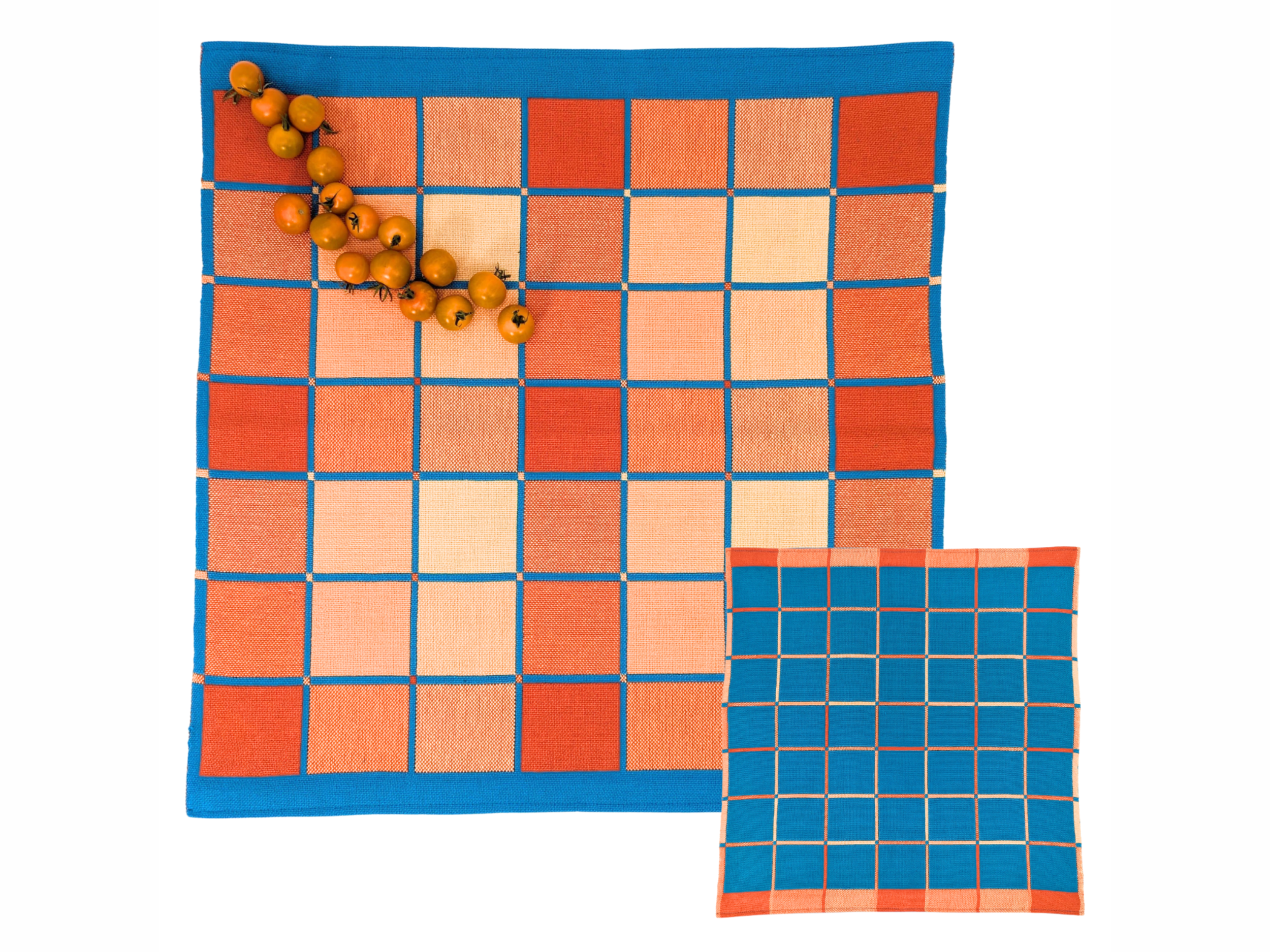
Doubleweave
After registering, the button below will bring you to the course.
Vermont Weaving Online
Our course content for Foundations of Shaft-Loom Weaving is on Vermont Weaving Online. You will need to sign in or create an account to access your course materials.
Vermont Weaving Online is our educational platform. It is a (still) breath away from launching and includes full course units for each of our projects/kits along with courses on structure, color, design, and warping. It is a bit hard to find right now because we are still tweaking things, but you can get a sense of it by clicking on any of the course units or project courses below. We currently have a free Explore option (which includes plenty of great content) available which you can access by clicking the button below. You will be asked to create an account or sign in to your existing account to access.
Dena’s Philosophy of Teaching
Learning about weaving can be a complex journey. Basic mechanics (setting up a loom and throwing the shuttle) technical (reading and creating drafts, planning treadling sequences, structure, and by the way…what is summer and winter?), and artistic considerations are all important.
Ideas are tightly linked but don’t necessarily build in a linear way. If you want to design a project using Summer and Winter, it will help to understand blocks and color. But if you want to focus on color or blocks, you will still need to choose a weave structure that will work for your project. Weavers often cycle around concepts many times, each time developing a deeper understanding.
I have been avidly weaving since 1986. In my forty years, the world of weaving has gone through significant changes. We now have access to an abundance of yarns, it is easy to find patterns that give us every piece of information we need, Marguerite Davison’s A Handweavers Pattern Book (the bible of handweaving drafts) is out of print and hard to find, while online resources, which may or may not match your learning style are plentiful.
The breadth of knowledge from weaver to weaver, from beginners through those with years of experience, has significant variation. This is one of the reasons why I love discussions that include weavers at all levels. Beginning weavers learn from experienced weavers, but experienced weavers also learn from beginners, who are asking the questions that we stopped asking years ago.